

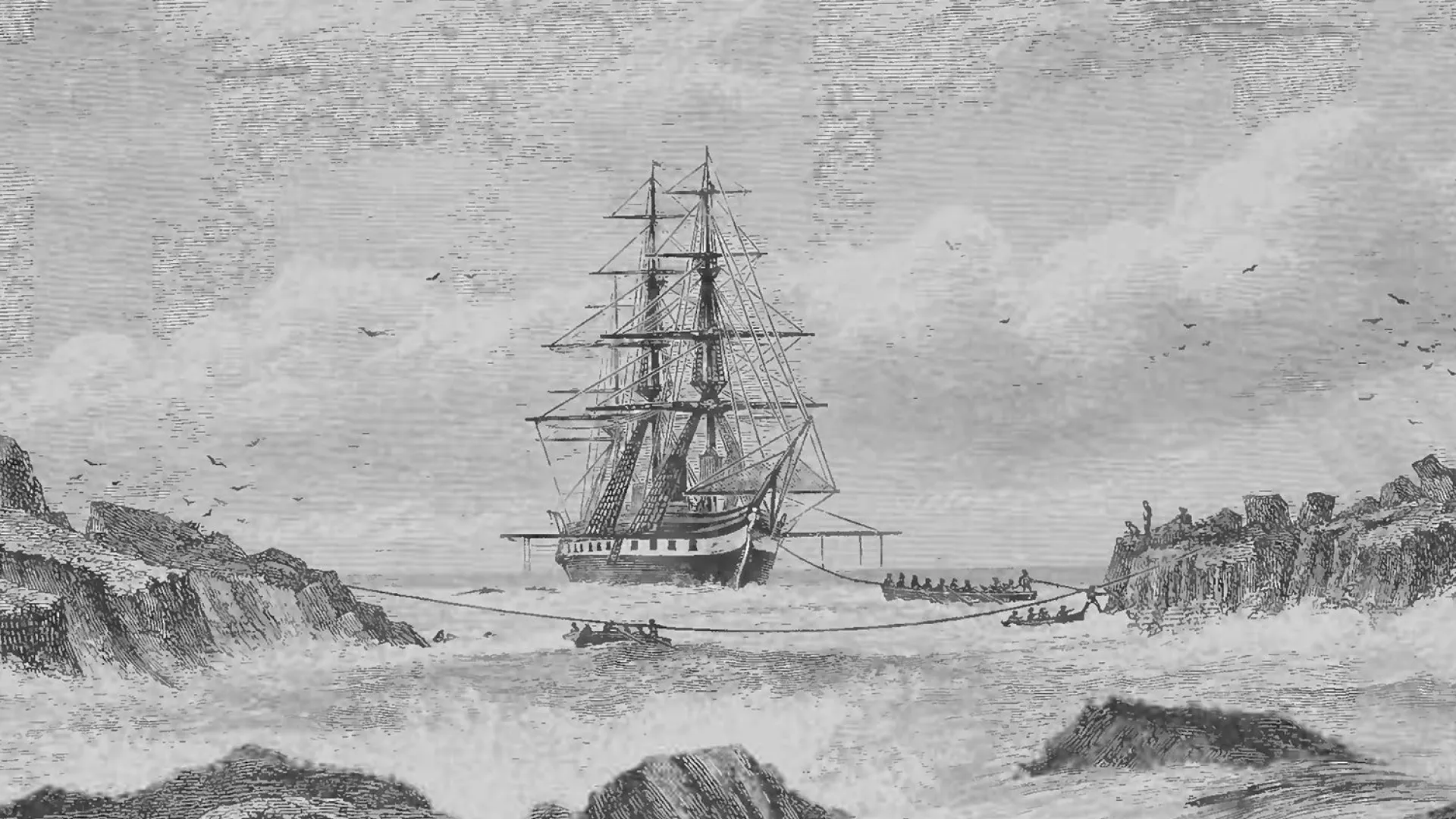
Discover the story of the groundbreaking expedition
Today's ocean research vessels like the RRS James Cook and RRS Discovery build on work that started over 150 years ago. The Challenger Expedition of 1872-1876 created modern ocean science. This voyage gave birth to the field of oceanography.
From the distance travelled to the places it visited, this expedition was like no other and has acted as the inspiration for ship-going science even to this day. Below we break down some of the key aspects of the Challenger Expedition and the impact they had on the success of the voyage.
With special thanks to Professor John Gould, The Challenger Society for Marine Science, and the National Oceanographic Library.
The Challenger Expedition: Key Numbers
Days at sea
Nautical miles travelled
Officers and crew onboard
New species collected and catalogued
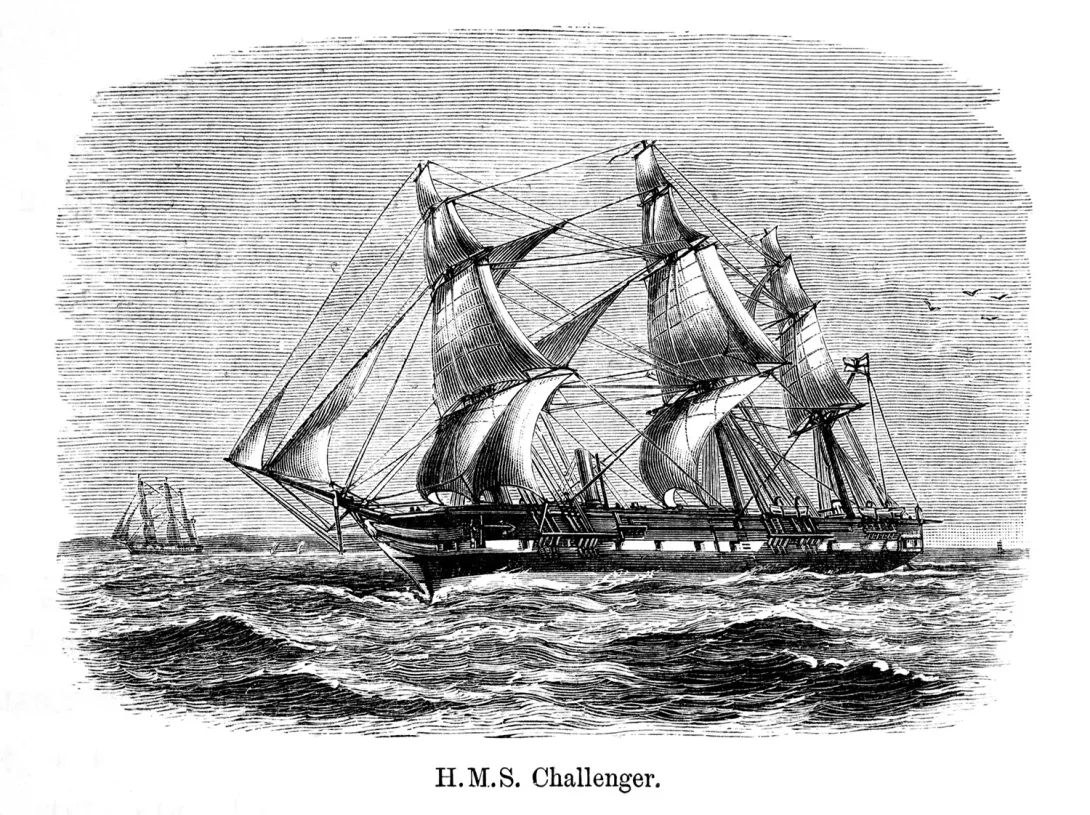
What was the HMS Challenger?
The HMS Challenger was a 200-foot, 2300-ton wooden steam-assisted corvette. The Royal Navy converted this warship for science.
They removed 15 of its 17 cannons. The freed space became laboratories and workrooms for biological, chemical, and physical analysis. The crew reconfigured the decks to hold dredges, trawls, and storage areas for thousands of samples.
This ship became the world's first dedicated oceanographic research vessel.
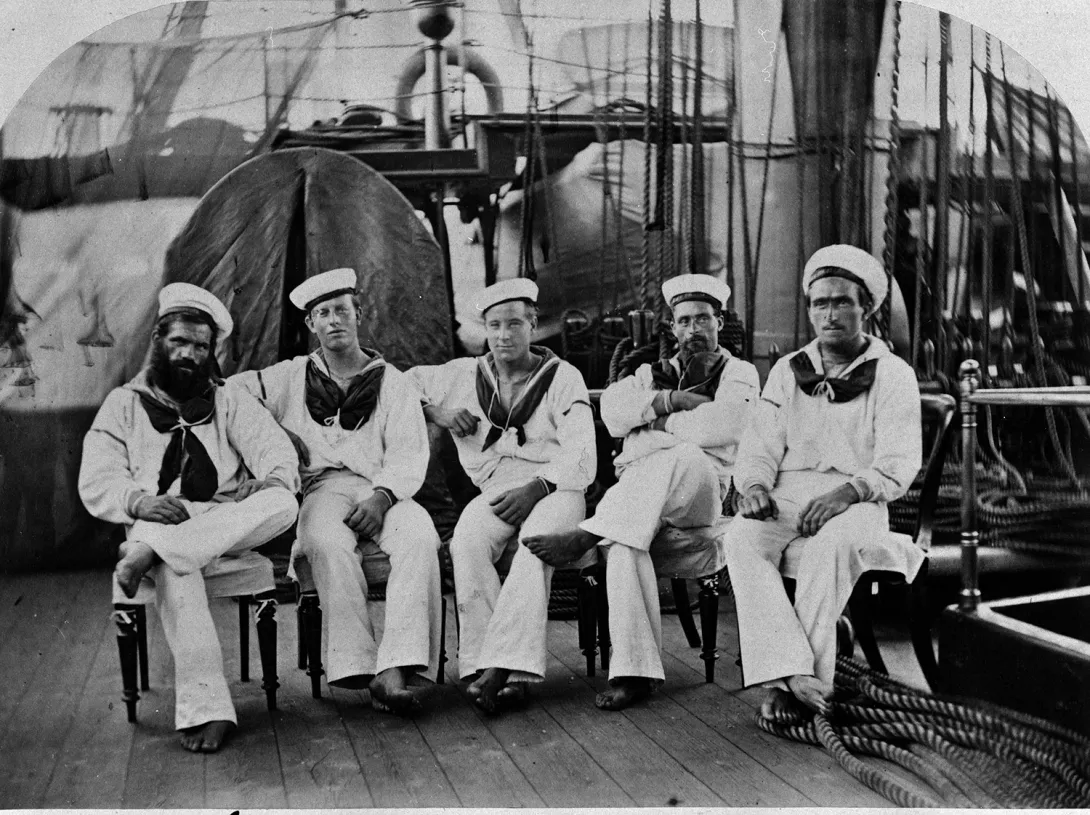
Who were the pioneers aboard?
The British Royal Navy and civilian scientists worked together on this expedition. Captain George Nares commanded around 220 officers and crew.
Professor Wyville Thomson led the six-person scientific team. The naturalists John Murray and Henry N. Mosely joined him. Chemist John Buchanan and official artist J.J. Wild completed the team.
This combination of naval discipline and scientific curiosity became the model for future ocean explorations.
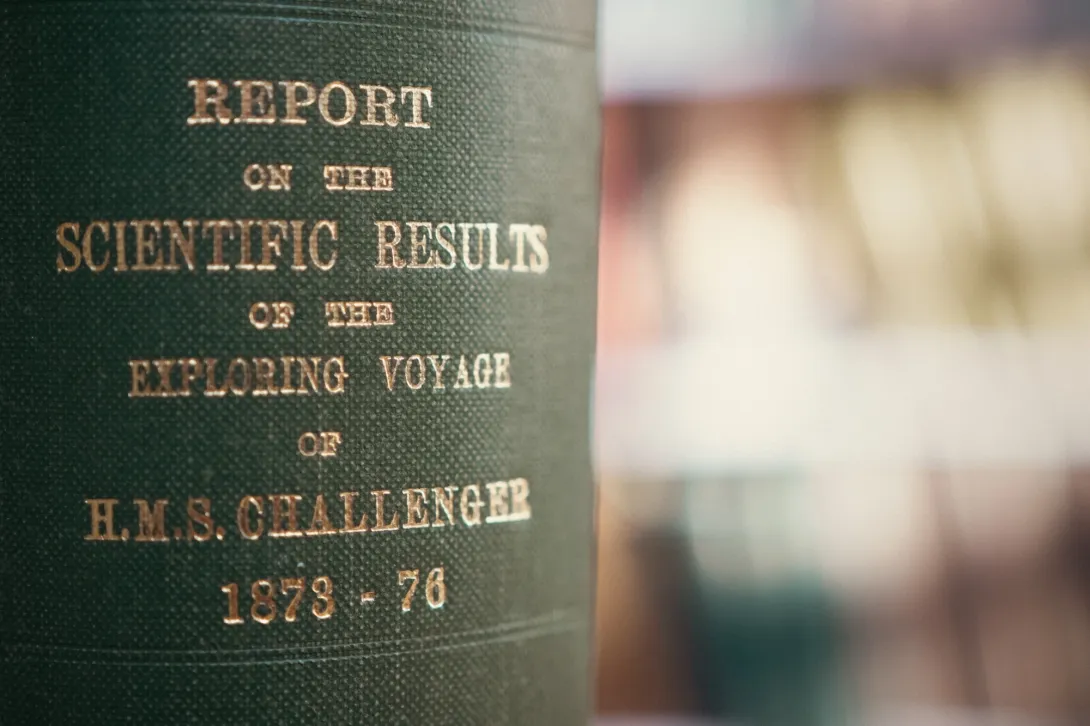
What groundbreaking discoveries were made?
The expedition changed how we understand our planet.
The crew discovered the Mariana Trench. A sounding in this trench measured 4,475 fathoms (8.18 km or 5.08 miles) deep. This was the deepest point in the ocean found at that time. We now call this location the Challenger Deep.
The team collected and catalogued over 4,700 new species of marine life. This proved that life exists under extreme pressure and total darkness in the deep sea.
The complete scientific report took 23 years to compile. It filled 50 separate volumes. John Murray called this work "the greatest advance in the knowledge of our planet since the celebrated discoveries of the fifteenth and sixteenth centuries."
Dive Deeper: Challenger Expedition Video Resources
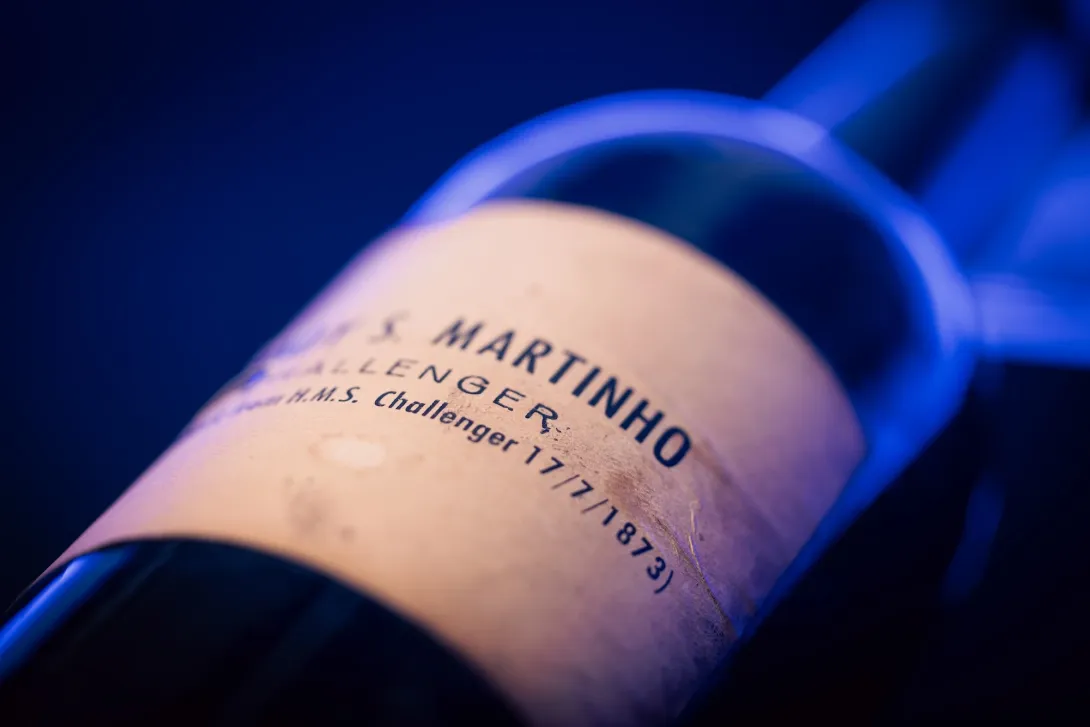
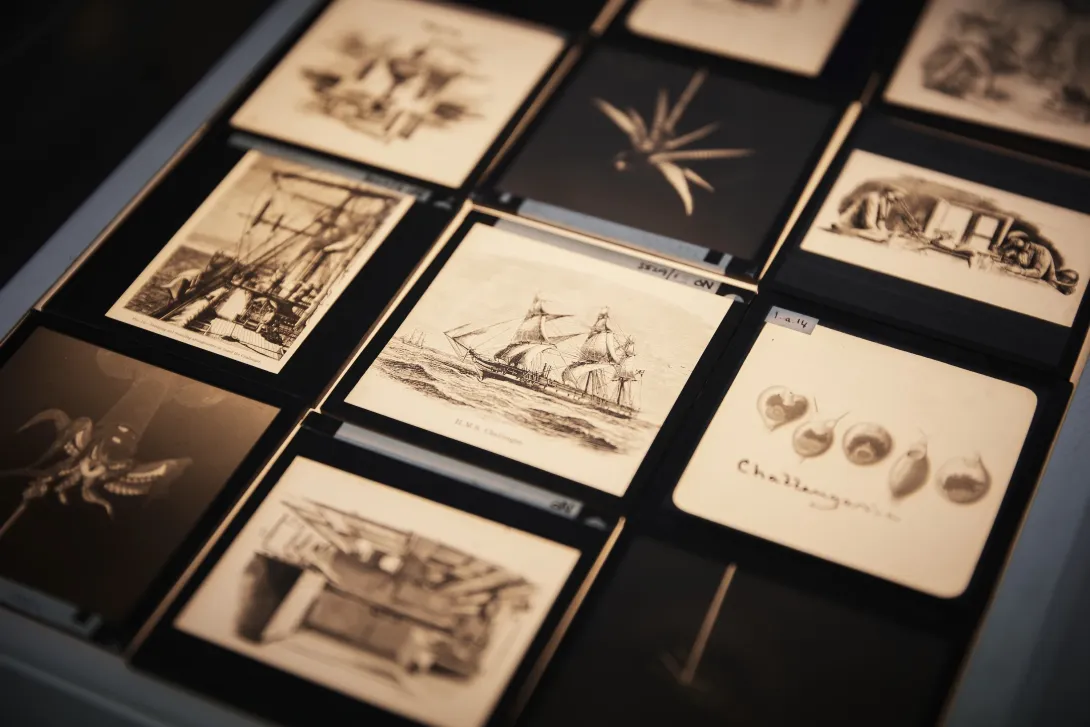
The Challenger Expedition has featured on our award-winning podcast, Into the Blue, in a feature-length special where we were joined by Professor John Gould and Victoria Ingles. We've also delved into the archives of the National Oceanographic Library and found a wine bottle that actually travelled on the famous voyage.

The Challenger Society for Marine Science
The Challenger Society for Marine Science is a learned society for marine scientists in the UK, which was named after the famous ship. Visit their website to learn more about the history of the Challenger Expedition, their objectives as an society and information on how to join.