

What do we mean by marine biogeochemistry?
Marine biogeochemistry is the incredibly complex web of biological, chemical, and physical processes that happen throughout our seas, with a special focus on how essential elements like carbon and nutrients cycle through living things.
These processes are happening everywhere, from the sunlit surface waters where tiny plankton bloom, to the darkest ocean trenches where unique bacteria have their own way of making a living. Together these processes sustain all marine life while also playing a huge role in regulating the Earth's climate.
How is climate change disrupting these natural cycles?
Climate change is starting to disrupt the ocean's biogeochemistry in several connected ways. These changes are sending ripples through the biogeochemical cycling of nutrients and carbon, and from there into marine ecosystems, fundamentally altering how the ocean functions as a part of our planet's life support system.
Affected Ocean Functions
The ocean's great currents are slowing down, which means fewer nutrients are being delivered to the life that needs them. This also means the ocean absorbs less CO₂ and loses oxygen faster.
Learn moreAs the ocean absorbs more CO₂ from the atmosphere, its chemistry is changing, making it more acidic and harder for animals like corals and shellfish to build their skeletons.
Learn moreOcean life is facing temperature extremes that are far beyond what they have evolved to handle.
Learn moreAs the surface of the ocean warms, it creates a barrier that stops nutrient-rich deep water from mixing up into the sunlit zone where most life is found.
How do these changes affect the ocean's role in our climate?
The impacts are complex, but the general result is that the ocean's ability to absorb our carbon emissions from the atmosphere is reduced. While we are still working to understand the fine details, we expect major consequences for the health of marine ecosystems and their ability to keep these vital nutrient and carbon cycles going.
What is the biological carbon pump, and why does it matter?
The biological carbon pump is one of the most important climate services on the planet. Tiny marine organisms take up CO₂ during photosynthesis. When they die or are eaten, that carbon sinks into the deep ocean or to the seabed, where it is locked away from the atmosphere for centuries or even millennia. NOC is leading research to understand how this pump works and how climate change is affecting the efficiency of this natural pump.
How does ocean circulation control biogeochemistry?
The ocean’s circulatory system is what distributes nutrients and carbon around the globe. Where currents bring nutrient-rich deep water to the surface, life flourishes. If those currents weaken or change, entire ecosystems can shift in response. We investigate how these changes ripple through the ocean's biogeochemical cycles.
How do we incorporate biogeochemistry into climate models?
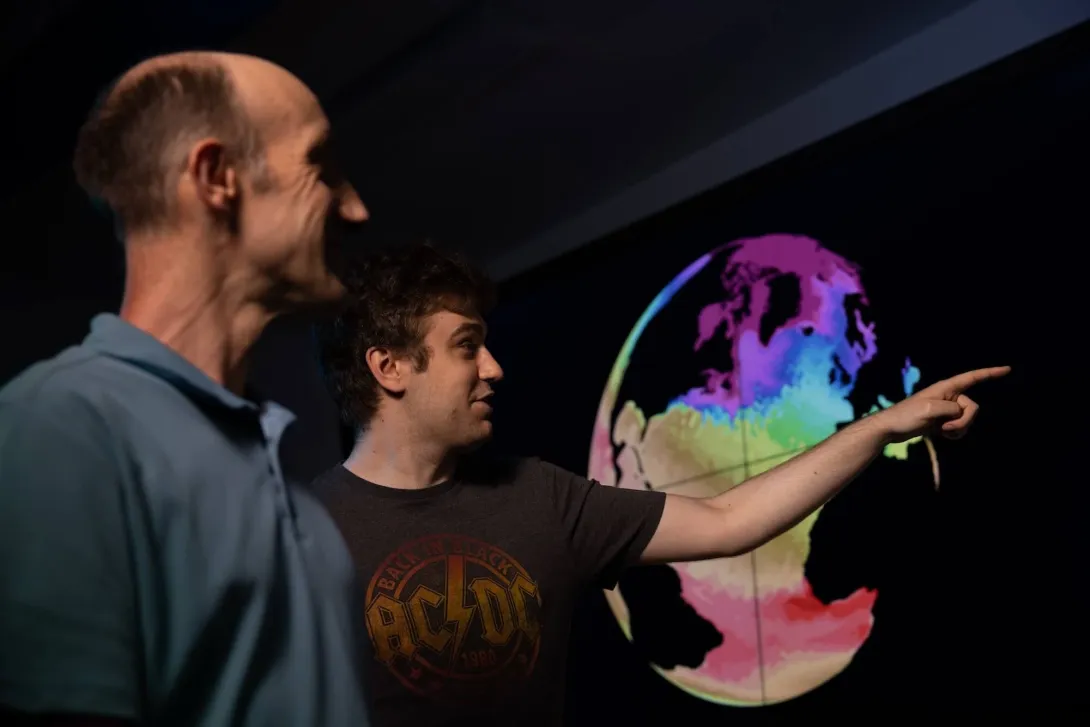
Capturing the messy, complex biogeochemistry of the oceans in a global climate model is a huge challenge. NOC researchers are pioneering new methods to bring these complexities into our models, which will improve our predictions of how the ocean will respond to future climate change.
What innovations in autonomous observation are we developing?
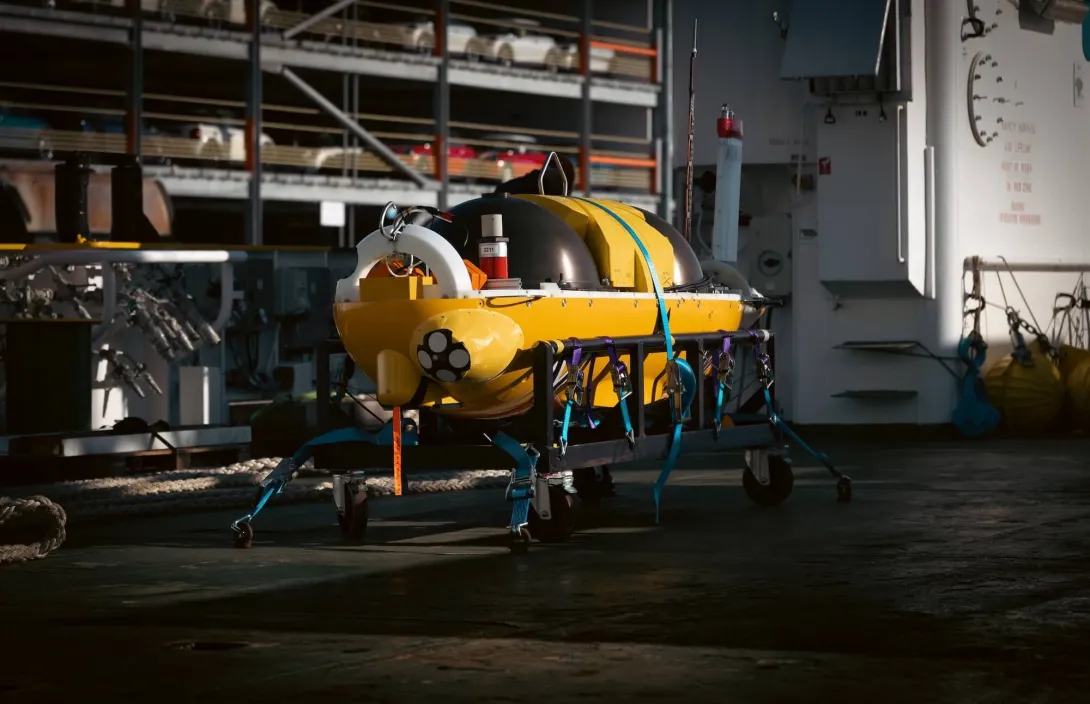
NOC is leading the way in using imaging systems and autonomous vehicles to study biogeochemistry in places and on timescales that were previously impossible. These technologies allow us to watch processes unfold over hours, days, and even years, giving us unprecedented insight into how these cycles work.
How does NOC research address these critical questions?
At NOC, we study all aspects of marine biogeochemistry, from the physics and chemistry to the geology and biology, to understand how the ocean fits into the whole Earth system. This is a massive field of study, and it involves many different research groups across NOC.
This research reveals how the largest habitat on Earth is responding to human-caused change. This knowledge allows us to make smarter decisions about reducing emissions, develop strategies to protect marine life, and support evidence-based ocean management.
The ocean’s biogeochemical cycles have regulated the Earth’s climate for millions of years. Understanding how we are disrupting those cycles, and what that means for our future, is one of the most important scientific challenges of our time.
What tools and methods do we employ?
Our research uses a huge range of approaches. We combine detailed lab analysis with fieldwork on our research ships, coastal studies, and observations from our fleet of autonomous underwater vehicles. We use advanced imaging systems to see how organisms and particles interact, satellite data to get the global picture, and machine learning to find patterns in complex datasets. Finally, we bring it all together in global models to simulate how the ocean might change in the future.
RRS Discovery

RRS James Cook

Autosub Long Range (ALR)

Gliders

What research initiatives is NOC leading?
Our research is so broad that we have numerous projects advancing our understanding, including:

What discoveries has NOC biogeochemistry research revealed?
Our extensive research has led to breakthrough findings across the field. We have revealed how the characteristics of sinking particles affect the efficiency of carbon storage, documented the expansion of the ocean's low-oxygen zones, and shown how warming is affecting the availability of essential nutrients. This is just a fraction of our contributions, and new discoveries are emerging all the time.
Scientific Publications
Into the Blue Podcast

Critical for our future
Without a clear understanding of how climate change is affecting the ocean's biogeochemistry, we would lose our ability to accurately predict future climate change, assess the impacts on marine ecosystems and fisheries, and identify dangerous tipping points before we cross them.