

What are Digital Twins in ocean science?
Think of a Digital Twin as a living, digital replica of a real ocean system. It’s a virtual simulation that’s connected to its physical counterpart through live data streams. This allows us to predict the future and explore a range of different “what if” scenarios.
These powerful tools are changing how policymakers, researchers, and industry work together, helping them make evidence-based decisions to better manage our oceans.
How are they different from traditional ocean models?
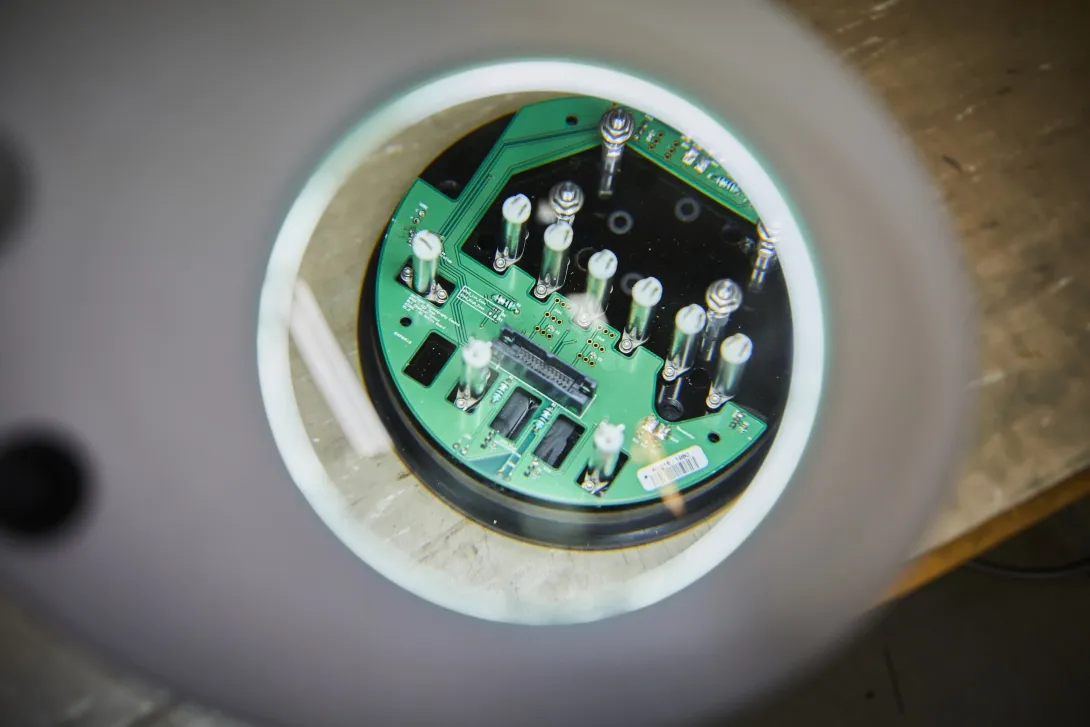
While ocean modelling provides the predictive core, Digital Twins are much bigger than that. They require true collaboration between teams with a whole range of expertise, from ocean observation and software engineering to artificial intelligence, user interface design and ethics. This creates complete solutions that connect scientific discovery with real-world application.
How is NOC leading the way in Digital Twin innovation?
We’ve worked with partners across the UK environmental science community to create the Information Management Framework for Environmental Digital Twins (IMFe). This describes how complex streams of information can be managed within Digital Twins, ensuring they can be reused in different scenarios to provide clear and actionable insights.
We are proud partners in DITTO (Digital Twins of the Ocean), an ambitious international programme under the UN Decade of the Ocean. Through this collaboration, we help establish global best practices and share our expertise, making sure the benefits of Digital Twins reach communities all over the world.
What are some examples of Digital Twin projects?
We built a Digital Twin that combined many different data sources to change how we monitor biodiversity, giving us real-time updates on ecosystem health to guide conservation.
Find Out MoreWe created virtual replicas of our autonomous systems to help optimize how we deploy them and make their operations even safer.
Find Out MoreWe brought together models and live observations to study coastal flooding risks, giving communities vital early warning capabilities.
Find Out More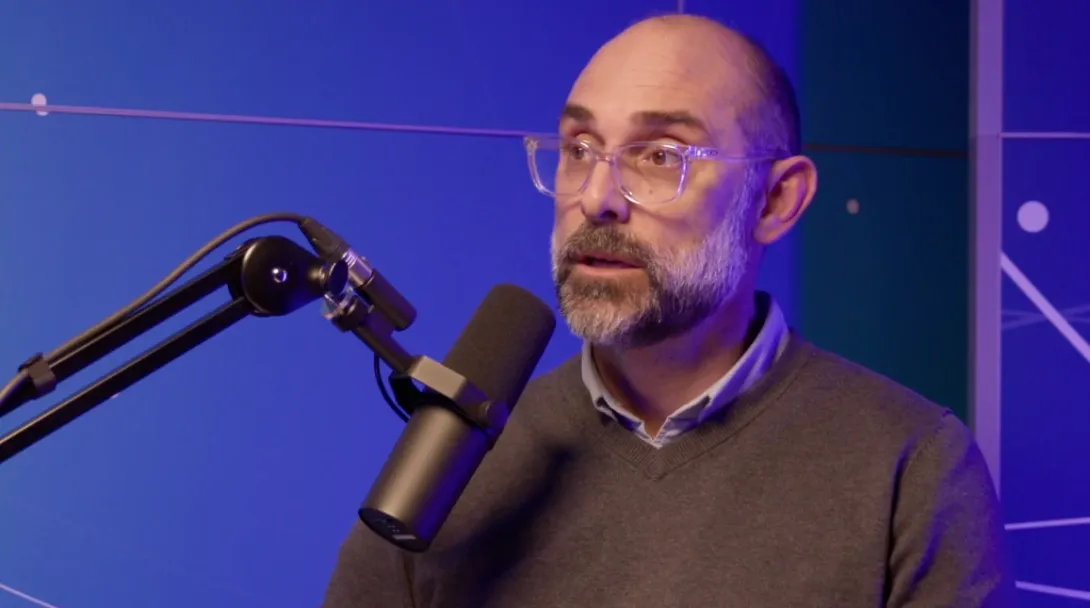
Into the Blue Podcast: Digital Twins
In the first series of NOC's award-winning podcast, Into the Blue, Chief Executive Officer Professor John Siddorn spoke about the development of digital twins at NOC and the impact they are having on marine science and the increasing role they'll play in research in the future.
What’s the future for Ocean Digital Twins?
We are moving toward a future where a global network of Digital Twins gives us a real-time, connected understanding of our oceans. This technology will power a new level of cooperation between nations, industries, and communities as we work to manage our shared ocean resources. Through this work, we can shift from simply reacting to problems to becoming proactive stewards of our planet’s most vital systems.
Interested in how Digital Twins could help you? Get in touch with our teams to see how our cutting-edge technology is providing practical solutions for our marine environment.