


Why do we observe climate changing and how does it differ to weather patterns?
Weather describes short-term conditions, for example, whether tomorrow will be sunny or wet, while climate reflects the bigger picture, shaped over decades. Typically measured across 30 years or more, climate is defined by seasonal temperature ranges, rainfall patterns, and other trends that together give a region its environmental character.
We can see the climate is changing all around us. For example, average summer temperatures in the UK are warmer now than they were in the 1990s. But while these observations tell us that the climate is changing, they can’t fully explain why or predict what might happen next. That’s where climate models become essential.
The importance of the ocean to our climate and the role of models
The ocean is the engine room of our climate system. It’s by far the largest reservoir of heat and water on the planet. Its vast currents transport enormous amounts of heat around the globe, which has a profound influence on our weather and regional climates. This means you simply cannot understand the climate without understanding the ocean. You can't accurately model one without the other.
Climate models are essentially "Digital Earths". They are sophisticated computer programs that represent our planet's climate system using a series of interconnected mathematical equations. They bring together our best scientific understanding of the atmosphere, oceans, land, ice, and life, and use powerful supercomputers to simulate how the climate works and how it might evolve in the future.
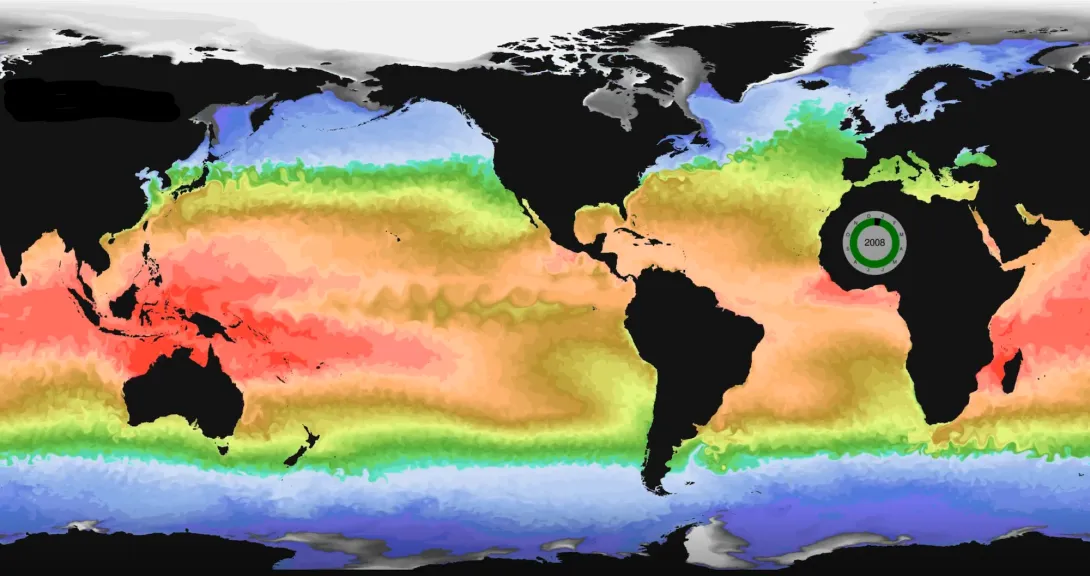
What would happen without climate model research?
Without climate models, we would be navigating the challenges of climate change completely blind. We wouldn’t have our best estimates for how much greenhouse gas we can safely emit, a clear understanding of what happens when we cross those limits, or the information needed to prepare our communities for the changes that are already unavoidable.
The result? We would be far more likely to stumble into a dangerous future without any chance to prepare or change course.
How do climate models inform decision-making?
Climate models provide solid evidence that allow policymakers to make smart decisions. They help to set achievable targets for reducing emissions, plan adaptation strategies for our infrastructure and communities, and identify which regions and sectors are most at risk from climate impacts. NOC’s ocean-focused climate modelling is a crucial part of the UK's effort to understand and respond to climate change.
How do improved models protect human and marine life?
Better climate models lead to safer communities through improved predictions of flooding and storms, more secure food supplies by understanding changes in fish stocks, and better protection for marine ecosystems by identifying which habitats are most at risk.
What key areas does NOC research address?
We study the potential for major shifts in the ocean’s "great conveyor belts" and the extent of sea ice. These changes could fundamentally alter how the ocean transports heat and regulates our climate.
Our models help us understand how warming and acidification will affect the entire marine food web, from the smallest plankton to the largest whales. These insights are vital for managing fisheries and conserving marine life.
We investigate how ocean warming contributes to sea level rise, both through the water expanding as it heats up and from melting ice sheets. This research directly helps coastal communities plan for the future and protect themselves from flooding.
We work to quantify the ocean's role in absorbing and storing CO₂, a natural service that helps to slow climate change. We examine how this might change as the ocean itself changes.
How do we improve climate model accuracy?
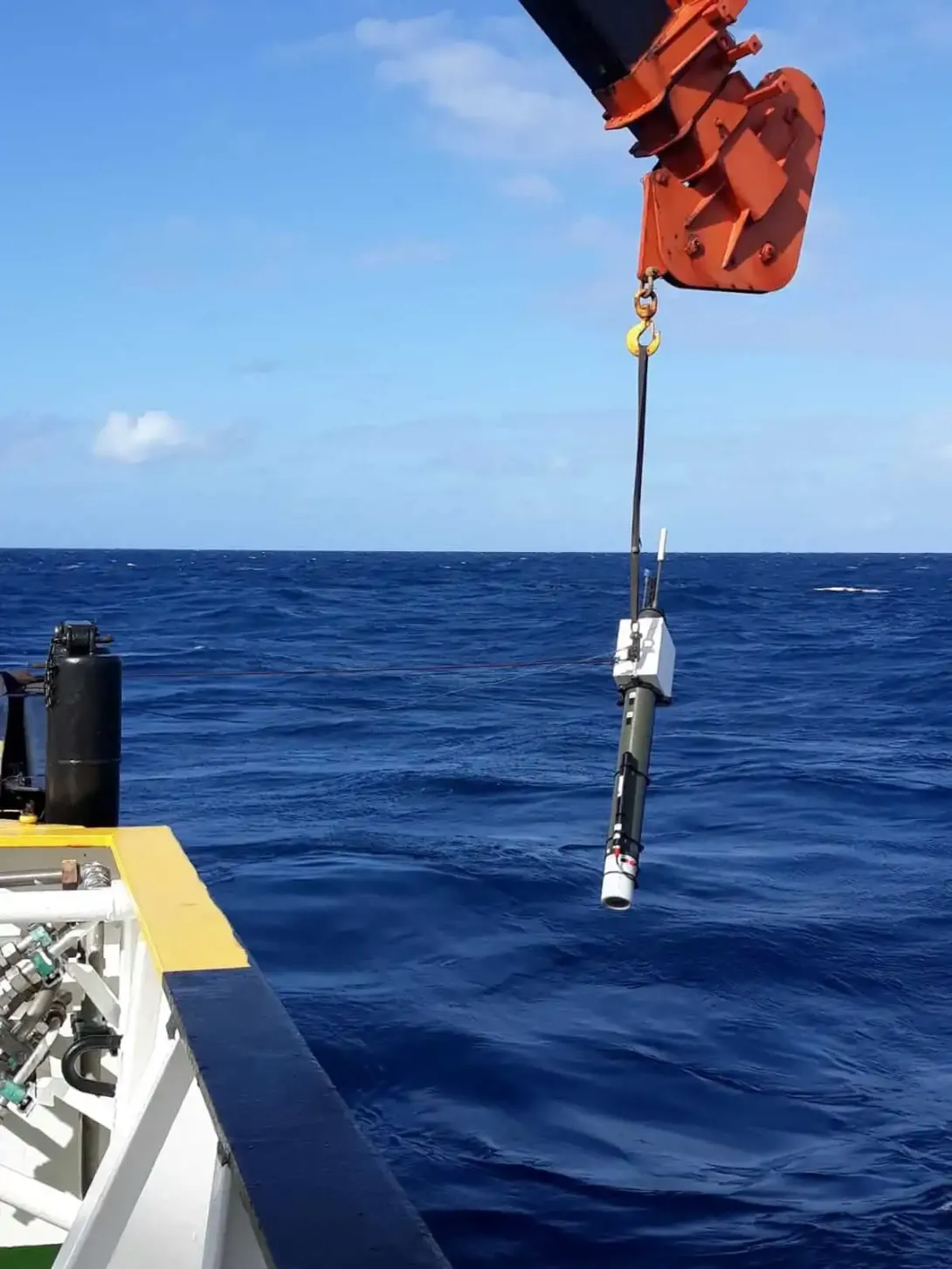
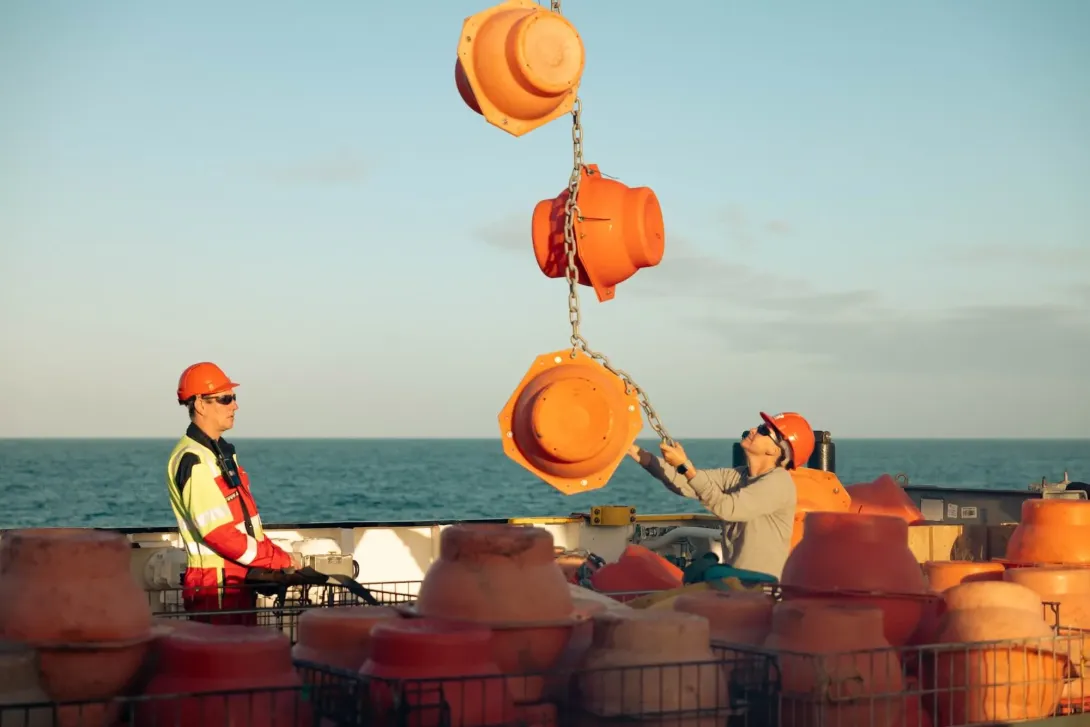
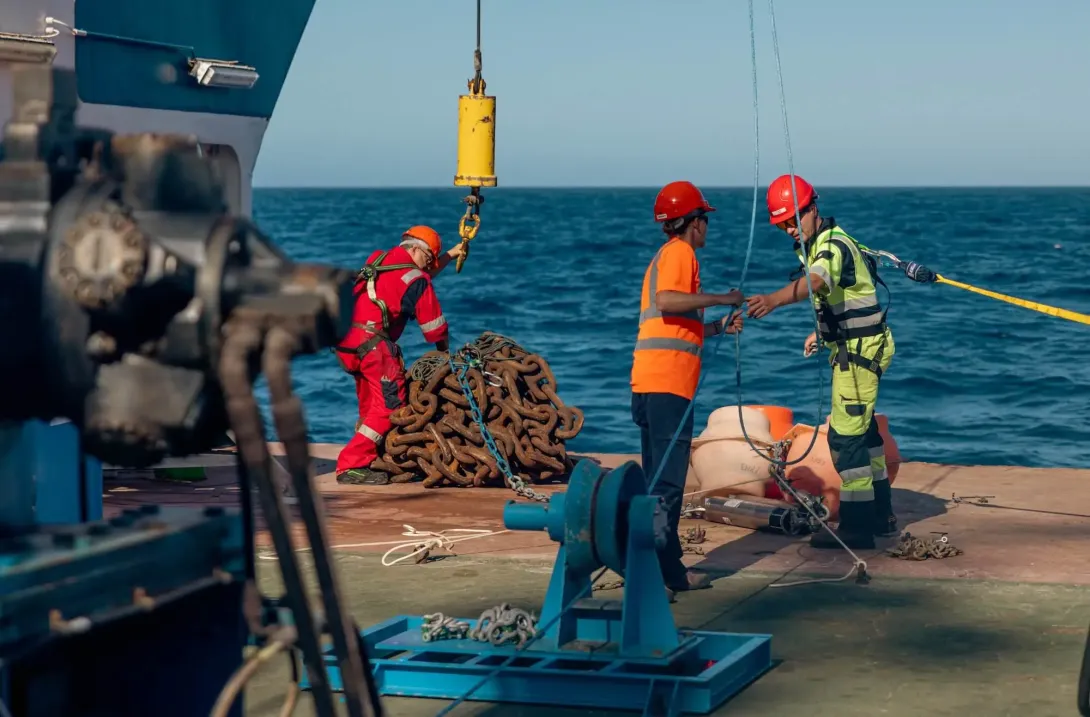
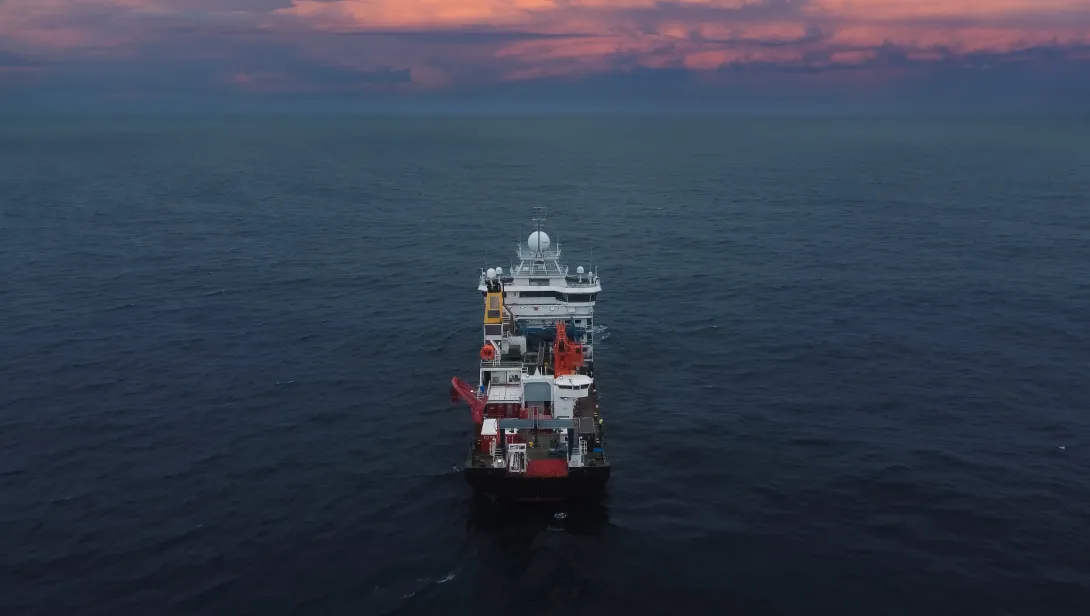
Our models are constantly checked against reality using data from our cutting-edge observational programmes to ensure they are accurately representing the ocean. These are our "eyes and ears" in the ocean:
What international collaborations advance this research?
Tackling a global problem requires a global team. We participate in major collaborative projects like the EU’s OptimESM and EPOC programmes, and national programmes like CANARI and TerraFIRMA. These partnerships allow us to compare results across many different models and analyse the data together, achieving a level of understanding that no single institution could manage alone.
What have we discovered through climate modelling?
Our recent climate modelling research has produced some critical insights, including how freshwater from melting ice could shut down vertical convection in the North Atlantic, with major consequences for marine life and fisheries. As well as this, research has connected large-scale ocean salinity changes to storminess over the UK, linking big ocean processes to the weather outside your window. Other research has revealed that the ocean will likely transport much less heat from the equator to the poles in the future, which could affect regional climates and sea level, while other work has quantified the ocean’s potential to slow human-caused climate change by absorbing carbon, which is essential for understanding how we can stabilise our climate.
Why must we continue advancing climate models?
Climate models have to keep evolving because the climate itself is changing. As the ocean warms and new processes emerge, our models must be updated to reflect the new reality. Better observations give us the data we need to refine them, and society needs answers to increasingly specific questions about what the future holds.
The ocean holds the answers to how fast our climate will change and what we can do to stabilise it. Climate models are the tools we use to read those answers, and at NOC, we are constantly improving those tools to give us the clearest possible vision of our shared future.

How does climate modelling fit in NOC's missions?
Climate and climate change research is one of NOC's four core missions and a key strategic priority. This challenge is so fundamental that it is woven into everything we do. It ensures that climate considerations inform all aspects of our ocean research, from deep-sea ecology and coastal processes to marine technology development.