

Why do we study ocean biogeochemistry?
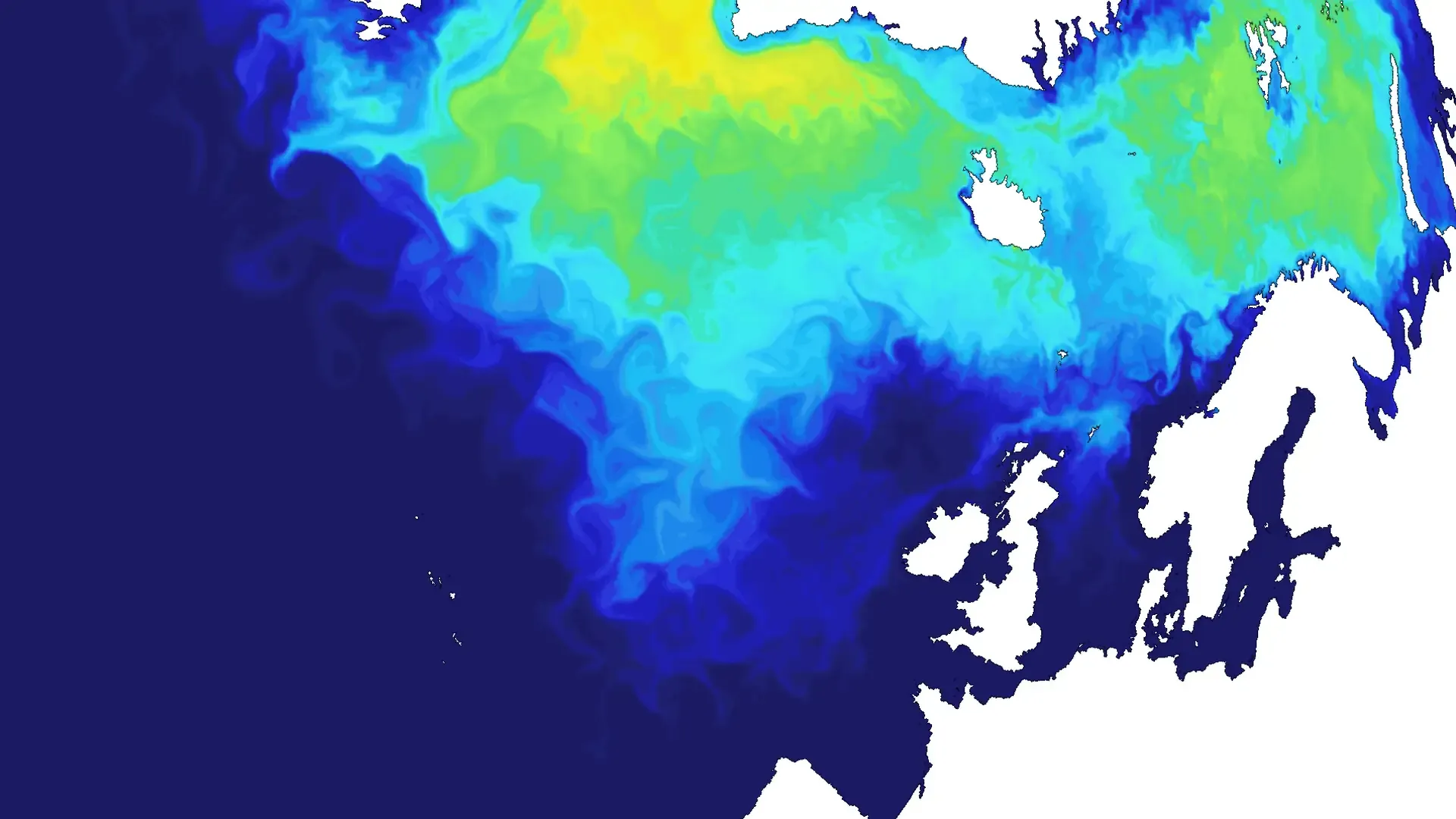
The ocean has a huge and diverse range of ecosystems, from shallow coastal waters to the vast open sea and the deep seafloor. Each one supports life that's adapted to its own specific environment and food webs. Ultimately, at the base of almost all marine ecosystems are tiny microscopic organisms: the phytoplankton.
The ocean connects the biogeochemical cycles of other major elements like nitrogen, silicon, iron, and oxygen, all of which play wider roles in how the Earth system works. By studying how carbon is captured, transformed, and stored in the ocean, we can better understand how these natural ecosystems respond to environmental change.
Why Does the Ocean's Carbon Cycle Matter?
The ocean plays a dominant role in the Earth's carbon cycle. It holds more than 90% of the planet's carbon and absorbs around 25% of our carbon dioxide (CO₂) emissions. This uptake reduces the amount of CO₂ left in the atmosphere to cause climate warming. Understanding how the ocean's carbon cycle works is a critically important area of research.
Marine ecosystems play a huge part in this by transporting carbon from the surface to the deep ocean. This process is known as the "biological carbon pump" (BCP). However, climate-driven changes in ocean temperature, circulation, and mixing are expected to reduce the supply of deep nutrients that fuel the BCP. This may disrupt its vital role in storing carbon.
How Does Ocean Biogeochemistry Affect Human Communities?
Focusing more directly on human concerns, marine productivity is ultimately what provides us with resources like fisheries. Marine ecosystems support global fisheries, which collectively employ 62 million people and feed about 3.2 billion, sustaining regional economies.
In coastal areas, seaweeds provide ecosystem services like pollution remediation and have a natural value we can all appreciate. On top of that, the wider ocean carbon cycle could potentially be leveraged by marine carbon dioxide removal (mCDR) technologies. These aim to remove CO₂ from the atmosphere and eventually help reduce the extent of climate warming.
So, studying how marine ecosystems operate, and how they might change, is a major goal for our Ecosystems Modelling group.
What is MEDUSA?
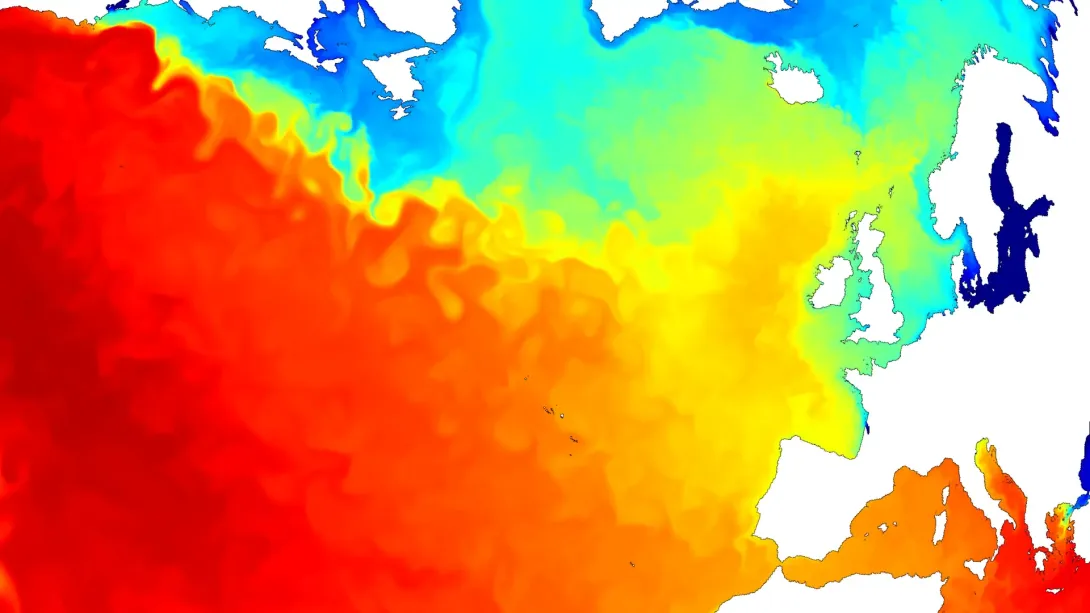
MEDUSA (Model of Ecosystem Dynamics, nutrient Utilisation, Sequestration and Acidification) describes the surface ocean ecosystem with a simple, size-based model (nutrient-phytoplankton-zooplankton-detritus). It simulates the linked biogeochemical cycles of carbon, nitrogen, silicon, iron, and oxygen. We use MEDUSA in detailed, high-resolution simulations to help understand how human systems, including fisheries, may change in the future.
MEDUSA is typically run inside physical models of the ocean. This means its components respond to properties like temperature and salinity, and are transported around the ocean by currents. We can then compare the geographical and seasonal output from our models with observational data from ships, autonomous platforms, or satellites. This helps us work out how good a job the model is doing and how we can improve it.
How Does MEDUSA Contribute to Climate Research?
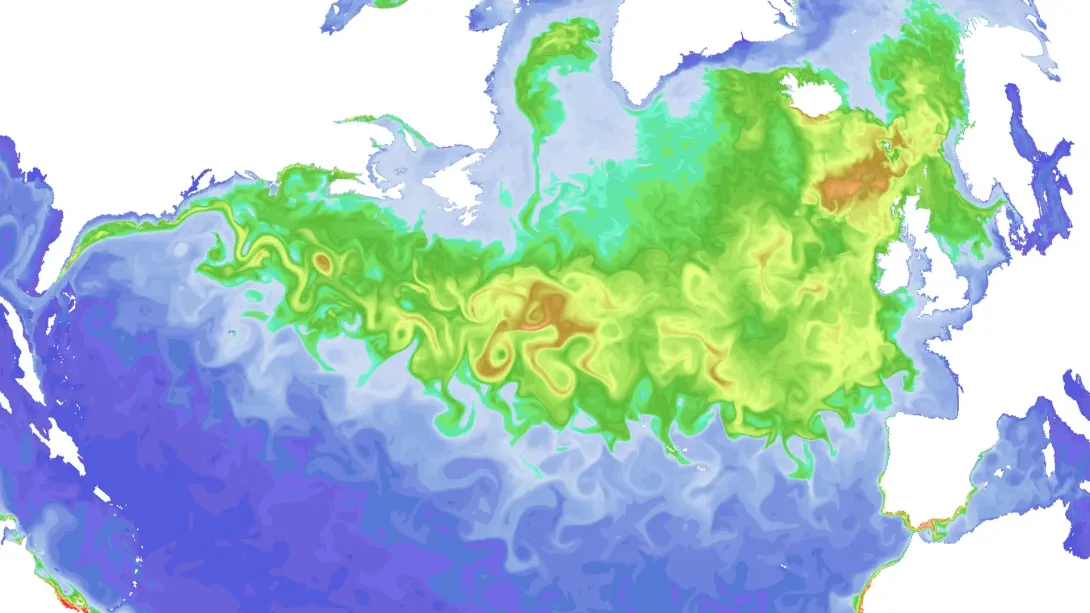
An important part of our work comes from MEDUSA serving as the marine biogeochemistry component of the UK's state-of-the-art Earth system model, UKESM. Through UKESM, MEDUSA contributes to the international climate simulations that inform the Intergovernmental Panel on Climate Change (IPCC) Assessment Reports. This helps improve our global understanding of how the ocean influences climate.
Using UKESM also allows our group to better study the links between marine ecosystems and the wider atmosphere and land systems. This integrated approach lets us examine how changes in one part of the Earth system cascade through to affect others.
Why is the Research Important for the Future?
Understanding ocean biogeochemistry is crucial for tackling some of humanity's biggest challenges and knowing how we can mitigate and overcome them.
The Challenges
By understanding the ocean's biological carbon pump, we can better predict its response to climate change and its role in absorbing atmospheric CO₂.
Marine productivity underpins global fisheries that feed billions. Understanding how this productivity is affected by climate change helps us adapt.
Studying these cycles helps us understand ecosystem health and resilience, which informs conservation and management.
Research into marine CO₂ removal could provide crucial tools for meeting climate targets, but we need a thorough understanding of ocean biogeochemistry to deploy them safely and effectively.
The ocean doesn't operate in isolation. Understanding its cycles helps us understand how the entire Earth system functions and responds to change.
What Have We Learnt From Our Research?
Since the MEDUSA model underpins so much of our work, its performance is regularly evaluated and applied to key questions. The work of the project also aligns with the goals of other research endeavours.
As a component of UKESM, results from MEDUSA appeared in the IPCC's Sixth Assessment Report (AR6). This included using MEDUSA's output to help run another NOC model, BORIS (Benthic Organisms Resolved In Size), for an assessment of benthic (seafloor) ecosystems.
Scientific Publications
How Do We Share Our Research With the Public?
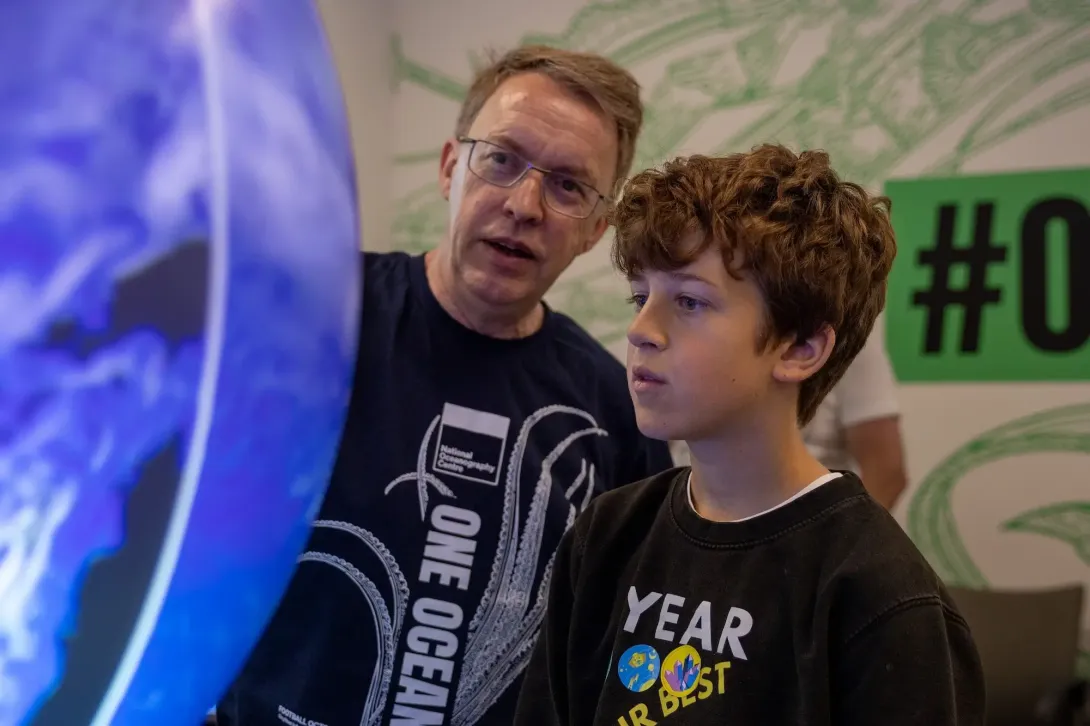
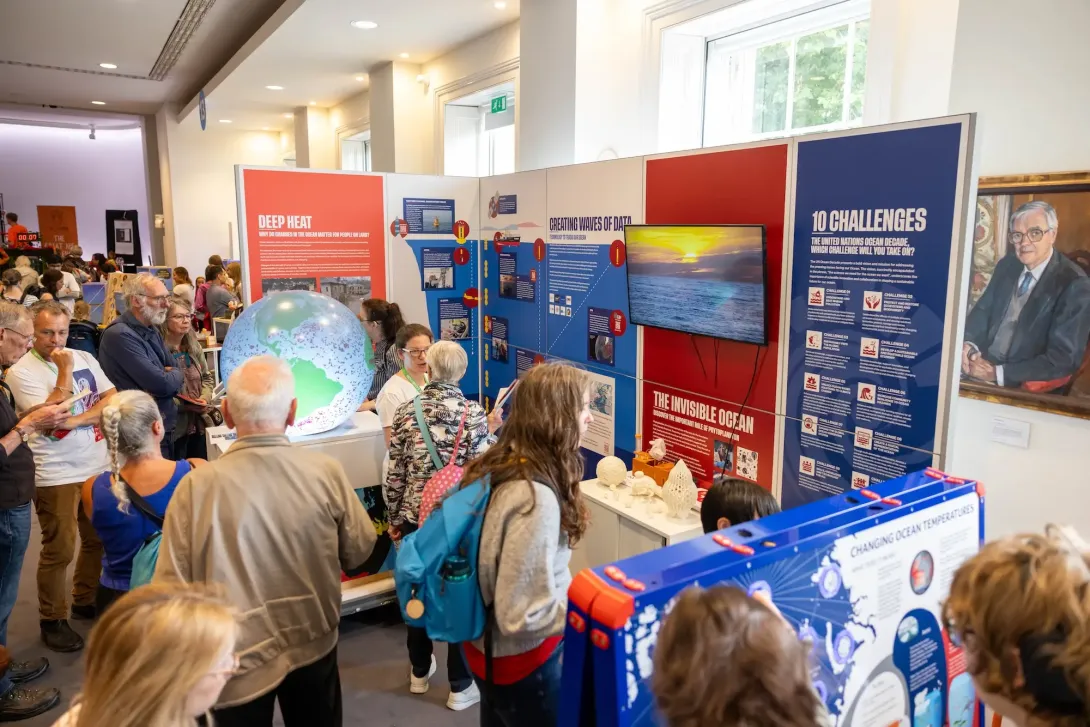
We actively engage with all kinds of audiences to share our biogeochemical modelling research:

What's Next for Biogeochemical Modelling at NOC?
Our research is always evolving as we develop new capabilities and address new questions. We're currently working on:
- Enhancing model resolution to capture finer-scale processes.
- Improving the representation of ecosystem complexity and food web dynamics.
- Integrating new observations from autonomous platforms and satellites.
- Exploring the potential and risks of marine carbon dioxide removal technologies.
- Contributing to future IPCC assessments and climate projections.
By combining cutting-edge modelling with observational data, NOC's biogeochemical modelling research is helping to understand and predict the ocean's vital role in our changing climate.
Dive Deeper: Biogeochemistry
Marine biogeochemistry is the incredibly complex web of biological, chemical, and physical processes that happen throughout our seas, with a special focus on how essential elements like carbon and nutrients cycle through living things.